

Nizama Hecimovic: It was a name that many Bosnians would come to know. On August 11, 2023, Hecimovic was killed in a small town in Bosnia-Herzegovina. The killer was her ex-partner, who then went on to murder two more, wound another, and then kill himself.
Hecimovic's murder, which her killer live-streamed, sparked nationwide protests and legislative change. There was also an increase in the amount of women reporting violence.
"'You will be the next Nizama' is the most common threat from abusers, according to many women who reach out to us," says Selma Badzic from the Center for Women's Rights Zenica, an organization that works on the prevention of violence against women in Bosnia.
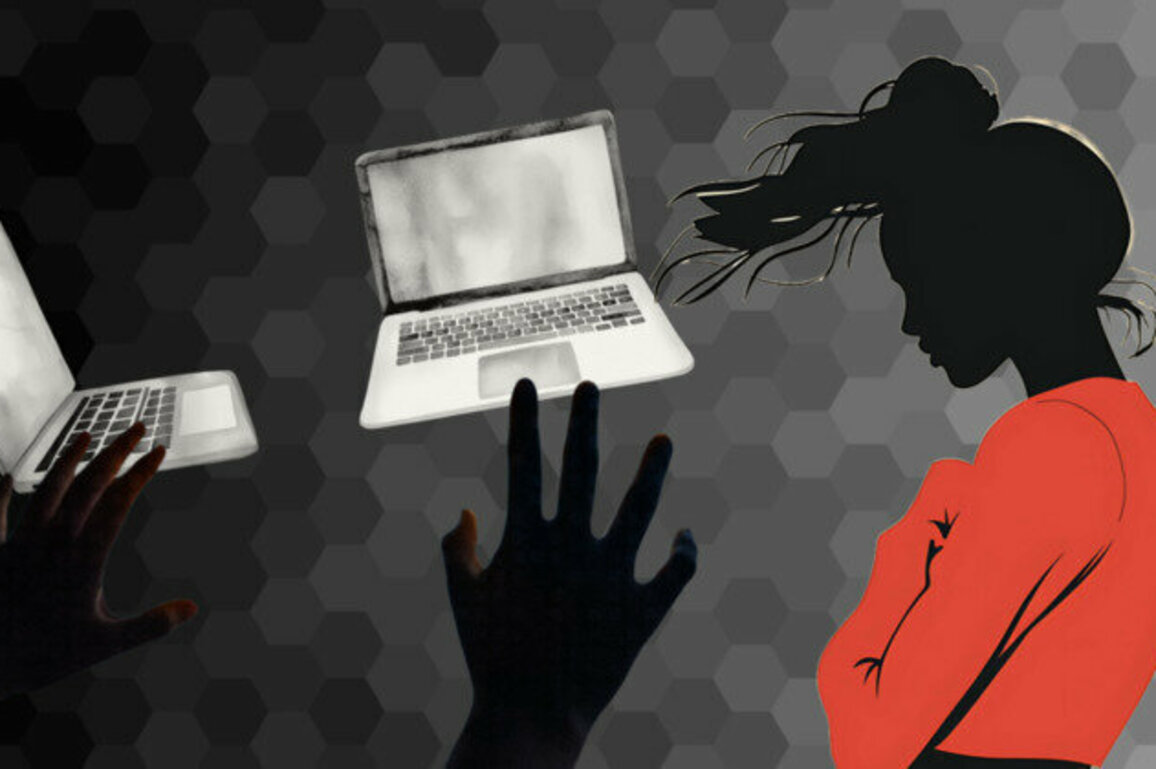
Hecimovic's murder "shook" the public, not just for its brutality, but because it was broadcast live on the Internet. Badzic says that most of the murder cases in Bosnia over the last five years have included some violent digital component. It's a trend not just in Bosnia but one that's happening worldwide, as technology is increasingly being weaponized to promote and spread violence against women.
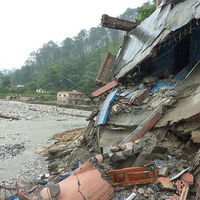
Two years after Hecimovic was killed, another murder, this time in Balochistan, a mountainous area of Pakistan, was widely shared online. Eleven people have been arrested after a woman and a man were murdered, allegedly to defend the "honor" of their families after the couple married against their wishes. The video of the killing was widely shared on messaging apps and social media.
Human rights activists in Balochistan protesting against the couple's killing
There is "no honor" in that, just "disgrace," says Saima Munir, a manager at the Aurat Foundation, a women's rights group in Pakistan's capital, Islamabad. "Shooting a helpless woman nine times -- only a shameless group of people would do so," Munir says. Violence, she adds, has increased since people became exposed to technology, but that doesn't mean "that technology is responsible for the uptick in violence."
"The real challenge in our part of the world is to change [people's] mindsets," Munir says.
Taliban Takeover Of Afghanistan
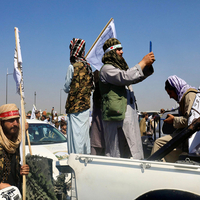
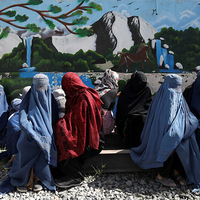
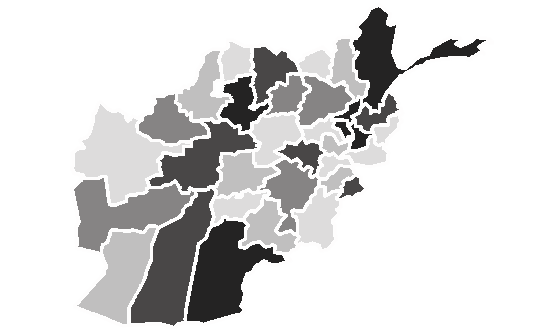
Since 2021, when the Taliban regained control of Afghanistan, many women there have been struggling with the loss of fundamental rights, new, tighter restrictions, and also the weaponization of technology.
"Fake accounts targeting me, attempting to discredit or silence my voice. There are even groups of fake accounts, often led by a single individual who coordinates attacks," Nilofar Ayoubi, a women's rights activist, tells RFE/RL. When the Taliban returned to power, she managed to flee to Poland. But, even there, she says, she didn't manage to escape online harassment.
"They use their platforms to spread misinformation and amplify hate, turning social media into a hostile space instead of one for dialogue or solidarity," Ayoubi says.