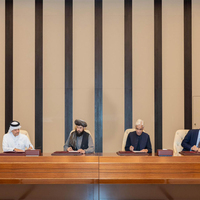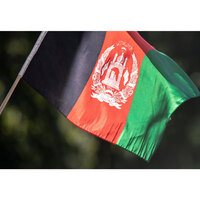



Governments moving to restore ties with the Taliban risk legitimising oppression and deepening Afghanistans crisis, an independent UN human rights expert cautioned on Thursday, calling for a principled approach that defends the rights of women and girls.
Richard Bennett, theSpecial Rapporteur monitoring human rights in Afghanistanwho serves independently under a mandate of theHuman Rights Counciland is not a UN staff membertoldthe General Assembly the human rights situation in the countrycontinues to deteriorate with few grounds for optimism.
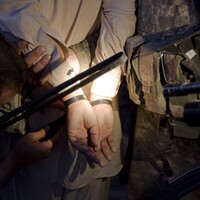
He warned of intensifying gender persecution, a rise in corporal punishment, enforced disappearances and attacks against former officials despite a declared amnesty.
There are also increasing restrictions on media freedom and civil society, and discrimination against ethnic and religious minorities, including forced evictions affecting Hazara communities.
Restrictions on women and girls continue
He noted that no Taliban edicts restricting womens rights have been reversed.
Many Afghan women are denied their right to work, he said, pointing to recent moves preventing Afghan women working for the UN from entering UN compounds. This is a serious breach of fundamental rights and theUN Charters principles of equality and non-discrimination.
Mr. Bennett also criticized the sharp reduction in humanitarian and civil society funding, which he said is removing the last lines of protection for a population already facing widespread deprivation.
He urged governments to recommit to long-term, sustained support, particularly for Afghan and women-led organizations.
Protect refugees from harm
The Special Rapporteur further warned of the mass forced return of Afghan refugees, urging all States to respect the international legal principle of non-refoulement, which prohibits returning people to places where they face persecution or serious harm.
While the situation remains grave, Mr. Bennett highlighted signs of progress in accountability.
These include theInternational Criminal Courts issuance of arrest warrants for senior Taliban leaders, and the Human Rights Councils recent establishment of an independent investigative mechanism to collect and preserve evidence of serious crimes for future trials.
Not a lost cause
Afghanistan is not a lost cause, Mr. Bennett told delegates, stressing that accountability is an essential part of building a future rooted in justice, equality and the rule of law.
Turning away now would not only betray the Afghan people it would undermine the foundations of our shared international system,he said.
He urged States to engage with Afghanistan in a principled manner that avoids normalisation of Taliban rule until there are demonstrated, measurable and independently verified improvements in the human rights situation particularly for women and girls.