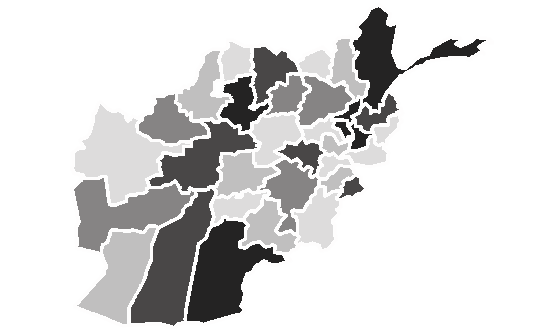


The UN General Assembly on Monday overwhelmingly adopted a resolution expressing deep concern over Afghanistans deteriorating humanitarian, economic and human rights conditions, urging the Taliban to reverse repressive policies and ensure inclusive governance.
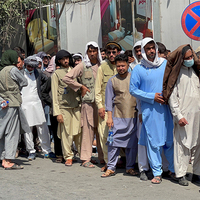
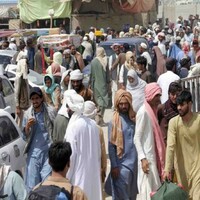
More than 700,000 Afghan migrants have returned from Iran so far this year, including 256,000 in June alone, the UN International Organization for Migration (IOM) reported on Monday, warning of immense pressures on Afghanistans overstretched support systems.
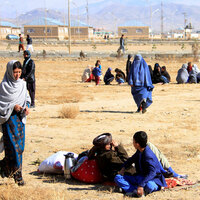
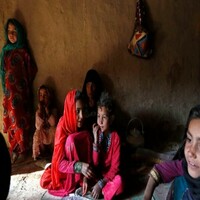
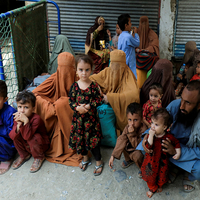
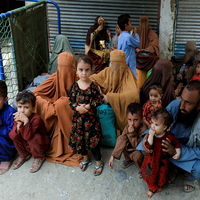
As returns of Afghan refugees and those living in refugee-like conditions from Iran and Pakistan increase many forcibly women and girls are arriving in a country where their rights, safety, and futures face severe threats, according to a new UN-led report.
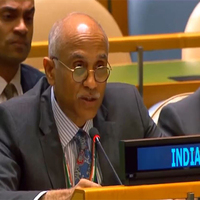
Adopted with 116 votes in favour, 12 abstentions and 2 against (Israel and United States),the resolution highlighted the multifaceted crises confronting Afghanistan nearly four years after the Talibans return to power, calling for greater international support for the Afghan people and a renewed push for human rights, peace and stability.
It emphasised the need for a coherent approach among humanitarian, political and development actors, andraised alarm over the grave, worsening, widespread and systematic oppression of all women and girls in Afghanistan, calling on the Taliban to swiftly reverse policies that exclude them from education, employment and public life.
The text further called for adherence to Afghanistans obligations under international law, including human rights and humanitarian principles.
Security and economic concerns
The 193-member General Assembly reiterated its serious concern over continuing violence and the presence of terrorist groups such as Al-Qaida, Islamic State in Iraq and the Levant (ISIL/Daesh) and their affiliates ISIL-Khorasan and Tehrik-e-Taliban Pakistan, and demanded that Afghanistan not be used as a safe haven for terrorist activity.
Beyond security, the resolution stressed Afghanistans severe economic collapse, widespread poverty and spiralling humanitarian crisis, urging Member States and donors to scale up principled, sustained assistance.
It also highlighted the growing threat of natural disasters such as floods and droughts, which worsen food insecurity and economic fragility.
Sustainable and lasting peace can be achieved only through long-term social, economic and political stability, which requires full respect for civil, political, social, economic and cultural rightsas well as commitment to inclusive and representative governance, the resolution stated.
UN Photo/Manuel ElasResult of the UN General Assembly vote on the draft resolution on Afghanistan.Needs surge amid refugee returns
The resolution comes at a time of intensified strain on Afghanistans overstretched humanitarian system.
According to UN agencies,waves of returnsfrom Pakistan and Iran including both refugees and those in refugee-like situations have increased pressure on services, especially in border provinces ill-equipped to absorb new arrivals.
These returns, many of them involuntary or under duress, have heightened protection risks and left thousands of families in urgent need of food, shelter and basic services.
The2025 Humanitarian Needs and Response Plan for Afghanistanwhich seeks $2.4 billion to assist nearly 17 million people isonly 22 per cent fundedas of early July, raising concerns among aid officials about maintaining life-saving programs in the months ahead.
Theresolution called on all donors and stakeholders to reconsider any decisions that may lead to reductionsin such assistance, taking into account the potential adverse humanitarian consequences for the most vulnerable populations.
Governance and accountability
The Assembly also reiterated concern over the lack of political inclusion since the Taliban takeover in August 2021.
It raised alarm over extrajudicial punishments, such as reprisals and summary executions, enforced disappearances and arbitrary detentions, including those targeting former members of the security personnel.
While the Assembly acknowledged the Talibans limited steps to reduce opium cultivation, it stressed the need for comprehensive counter-narcotics measures and efforts to combat organized crime and illicit arms trafficking.
UN Photo/Manuel ElasUN General Assembly votes on the draft resolution on Afghanistan.A call for collective responsibility
The resolution expressed appreciation to major refugee-hosting countries particularly Pakistan and Iran and called for more equitable burden-sharing and international cooperation to support displaced Afghans and the communities that host them.
It underlined the importance of creating conditions for the safe, dignified and voluntary return of refugees and internally displaced persons, as well as their sustainable reintegration.
UN Photo/Manuel ElasResult of the UN General Assembly vote on the draft resolution on Afghanistan.UN Photo/Manuel ElasUN General Assembly votes on the draft resolution on Afghanistan.