

The deadly missile exchange between Iran and Israeland to some extent, the U.S. may have ended. Every party claims victory, and perhaps they should, for in truth, all are losers and all are winners. With no ground invasion, its easy to boast about destroying infrastructure or inflicting casualtiesbut these are hollow claims. The media, as always, amplifies propaganda, painting whatever picture each government desires. I, however, prefer to look beyond the headlines.
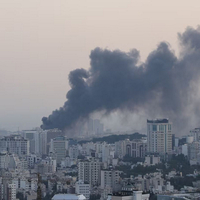
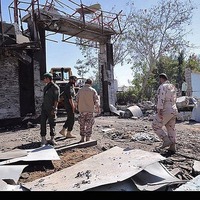
Israel initiated the conflict by attacking Iran during ongoing peace negotiations, killing its top leadership. Iran retaliated, sparking a long-range missile and air warremarkable given the2,300 km distancebetween the two nations. Israel sought full U.S. intervention, butTrump resisted, delaying and ultimately limiting the response. Only after Netanyahus pressure did the U.S. strike Irans key installations, allegedly uranium enrichment sites.
Nothing butdestruction, lies, and human suffering were achieved. The war shattered illusions of invincibility: (a) Irans uranium enrichment program may be delayed, butIsraels "Greater Israel" ambitions have suffered equally; (b) The conflict has reshaped geopolitics, paving the way fornew alliances and power dynamics; (c) For Muslim nations, this marks a rarepsychological victoryagainst two non-Muslim allies, restoring dignity eroded since the Ottoman Empires collapse.
Netanyahu and Modi havedamaged their nations confidence. Their aggressive posturingonce uncheckedhas beendeflated like air from a tire. Their hubris lies flat; rebuilding it will take time. How could their advisors and military leadersgamble with national securitywhen alternatives existed? War should always be thelast resort.
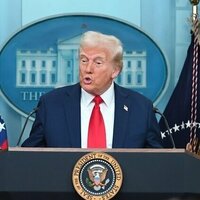
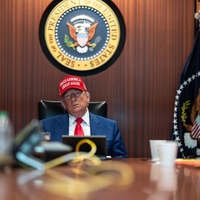
Say what you will, butTrump proved wiser than Pentagon hawks. His focus wastrade, not wareven if his tactics often involved bullying (e.g., pressuring Zelensky). Still, hisactions prevented two regional wars, and hedared to challenge Netanyahusomething no predecessor managed. He halted the Afghanistan war in his first term and de-escalated this crisis. If he claims credit,hes not wrong.
We have arrived at an age where uncertainty reigns supremea time when even the most advanced algorithms and seasoned analysts fail to foresee what tomorrow may bring. The recent upheavals in global politics have exposed the limits of prediction: Irans unexpected retaliation, Trumps abrupt strikes followed by de-escalation, and Americas unanticipated role as both instigator and peacemaker all defy conventional logic. The rules have changed. No longer can we rely on historical patterns or rational frameworks to anticipate events; our minds must now prepare for every possibility except the steady peace of past centuries. This is the paradox of our AI-driven eraa world where progress lurches forward in fits and starts, lurching unpredictably between escalation and dtente, between chaos and fleeting stability. To navigate such turbulence, we must shed our illusions of control and embrace adaptability as the only constant. The future no longer unfoldsit erupts, twists, and veers into the unknown, leaving us no choice but to expect the unexpected.
Irshad Ahmad Mughal