

The UN is facing a deepening budget crisis that threatens lifesaving operations worldwide. From refugee aid in Mozambique to maternal health services in Afghanistan, critical programmes are on the brink of collapse unless urgent funding is secured.
Amid financial strain and growing global challenges, UN Secretary-General Antnio Guterres is pushing for wide-ranging structural reforms to enhance the world bodys effectiveness.
Recent funding cuts have caused severe disruptions to health services in almost three-quarters of all countries, according to the head of the UN World Health Organization (WHO),Tedros Adhanom Ghebreyesus.
Member States had paidjust $1.8 billiontowards the UNs$3.7 billion regular budget for 2025, as of 9 May. Including unpaid contributions from previous years,total unpaid assessmentsstand at approximately $2.4 billion as of 30 April.
The United States is the largest debtor at about $1.5 billion, as the Trump Administration is withholding funds to cut what it sees as unnecessary spending.
Other major contributors with unpaid dues include China ($597 million), Russia ($72 million), Saudi Arabia ($42 million), Mexico ($38 million) and Venezuela ($38 million). An additional $137 million is yet to be paid by other Member States.
The UNs separate peacekeeping budget faces a similar crisis, with $2.7 billion inunpaid assessmentsas of 30 April.
Amidst the fiscal challenges,Secretary-General Antnio Guterresin Marchlaunched the UN80 initiativeto improve efficiency, streamline operations and reduce costs including a possible 20 per cent staff cut through eliminating duplication.
Women, health, refugee support at risk
The situation is equally concerning at UN agencies and programmes, which have their own budgets and funding channels.
The UN sexual and reproductive health agency,UNFPA, for instance has warned thatwomen and girls in crisis zonessuch as the Democratic Republic of the Congo (DRC), Haiti, Sudan and Afghanistan are already suffering from shrinking support.
Cuts have slashed the ability to hire midwives, supply essential medicines, deploy health teams, and provide safe spaces for survivors of sexual violence.
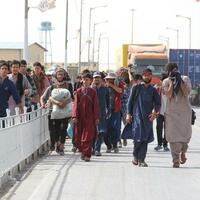
In Mozambique, nearly 750,000 displaced persons and refugees are in urgent need of protection, but the UN refugee agency (UNHCR)warns it may have to suspend essential services, including healthcare, education, and support for survivors of gender-based violence, with only one-third of its funding appeal met.
HIV/AIDS programs are also at risk. In Tajikistan,UNAIDSCountry Director Aziza Hamidova reports that 60 per cent ofHIV programme support is in jeopardy. Community health centers have already closed, outreach has been cut, and access to PrEP testing and counseling has dropped sharply.
Dwindling funds for crisis response
The Office for the Coordination of Humanitarian Affairs (OCHA) which leads UNs response to crisis is raising alarms over the cascading impact of funding gaps.
In Sudan, only13 per cent of the $4.2 billion needed for 2025has been received, forcing 250,000 children out of school. In the DRC, gender-based violence cases have surged 38 per cent, but programmesare shutting down. In Haiti, cholera response effortsrisk collapse. Meanwhile, just25 per centof Ukraines 2025 humanitarian appeal has been funded, jeopardizing critical services.
UN Emergency Relief Coordinator and head of OCHA, Tom Fletcher, has alreadyannounced staff cutsand scaling back of some country programmes.